25 Martin Place
Welcome back
to the future
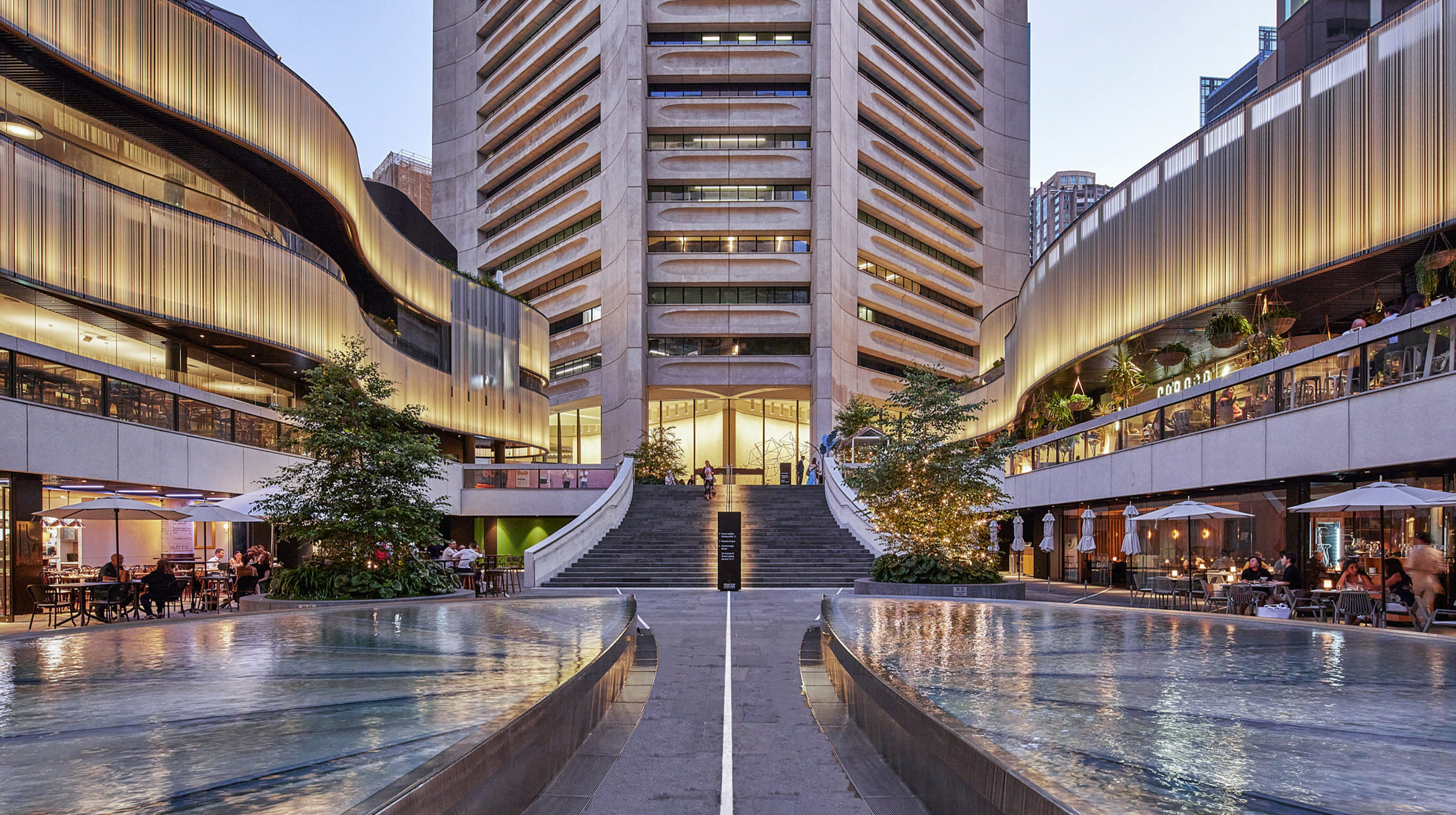
We’re breathing new life into 25 Martin Place – the iconic 1970s site designed by ‘the father of Australian modernism’, Harry Seidler, and Pier Luigi Nervi, famous for his pioneering work with reinforced concrete. One of the most significant architectural sites in the landscape of Australia’s largest city, the tower was the world’s tallest reinforced concrete office building on completion in 1977 and remained Sydney’s tallest building until 1992.
When it was designed in the 70s, the architecture broke norms. Thanks to our collaborators Woods Bagot architects, this was an enormous opportunity for us to contribute to embedding placemaking into a cultural setting in a way that feels both visionary for today and respectful of the past, and design a signage and wayfinding system that blends seamlessly.


Previously known as the MLC Centre, the site incorporates the high-rise office tower, a split level open public space, a multi-level retail precinct and the Theatre Royal Sydney. Over more than four decades the site has evolved through multiple renovations. It was no longer fulfilling its ambition as a private place designed for public use. The highly permeable site needed to be reactivated with engaging placemaking, and a clear and updated wayfinding and signage system that aligns with Harry Siedler’s vision. Iconic and abundant in history, this was an opportunity to restore the original clarity of his design and tell the stories of this place while activating under-utilised areas, like the laneways feeding into the site.

We worked closely with Harry Seidler & Associates in a rigorous process to identify opportunities across the site and ideate experiences. Our reflection pool concept for the original oculus was then executed by Woods Bagot architects and the laneway activations were supported by historical information from GML Heritage consultants.
This was about employing an architectural language consistent with Harry Seidler’s later works to ensure every element and journey feels nuanced and creates an emotional response, bringing the building to life.
“We thought about what it would have been like to be on Seidler’s team, designing the building in the 70s. We knew this wasn’t just about ‘fixing it up’. It was about creating something that feels as visionary today as it was in the 70s.”
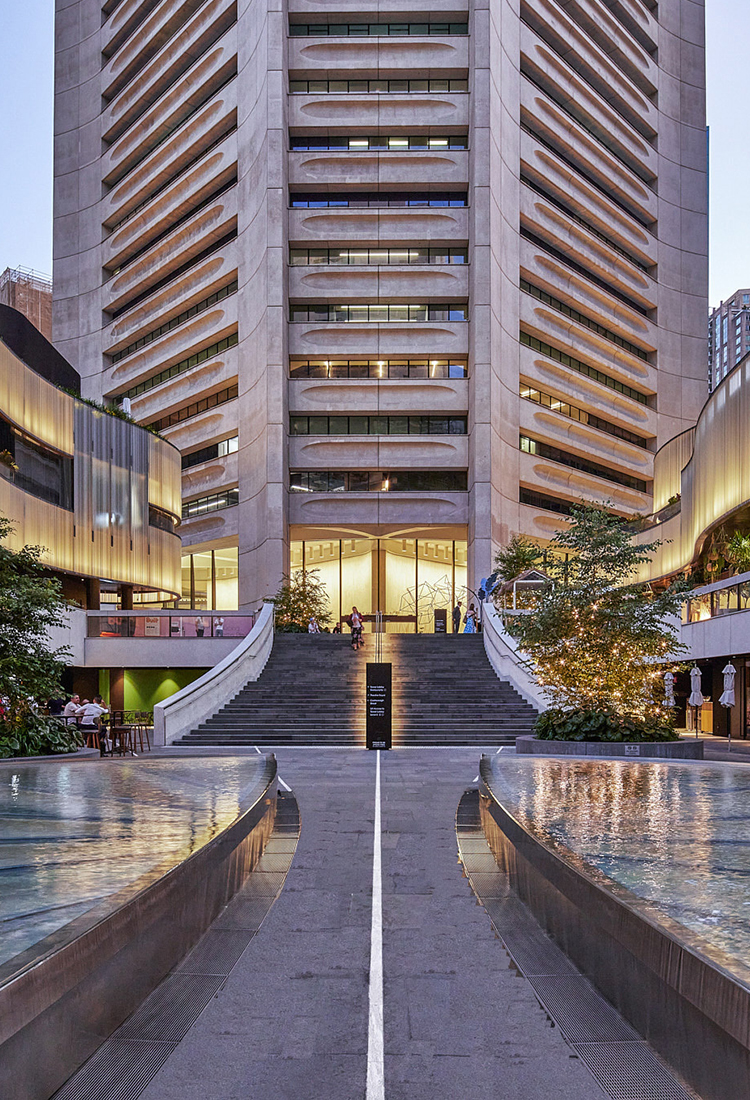
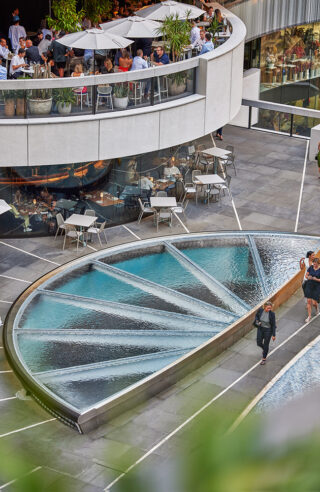
Our master planning suggestion for converting a focal point of the site – the plaza oculus – to a glass-bottomed reflection pond solved multiple issues. It stops rain reaching the food court below, as it did in the original open design, but still allows light through, as was always intended. We also recommended dividing the circle with a walkway to assist with circulation. This allows people at the restaurants around the reflection pond to enjoy the space undisturbed by foot traffic.

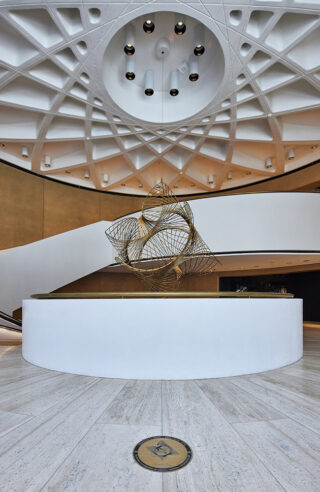
Our proposal to activate the underused laneways, including Rowe Street – the forgotten centre of Sydney’s bohemian scene from the late 19th century, are now embedded in the site. Rich historic stories illustrated by archival footage and information include a walk of fame celebrating actors who started their careers at the Theatre Royal Sydney. Art, including a large light box which makes the laneway glow, also gives a sense of safety.
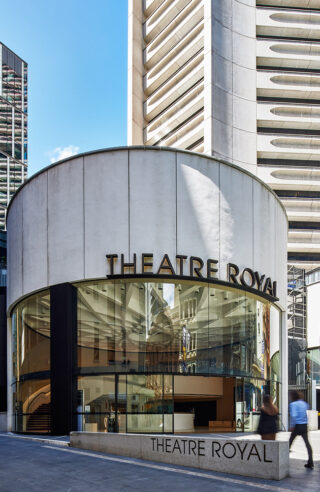

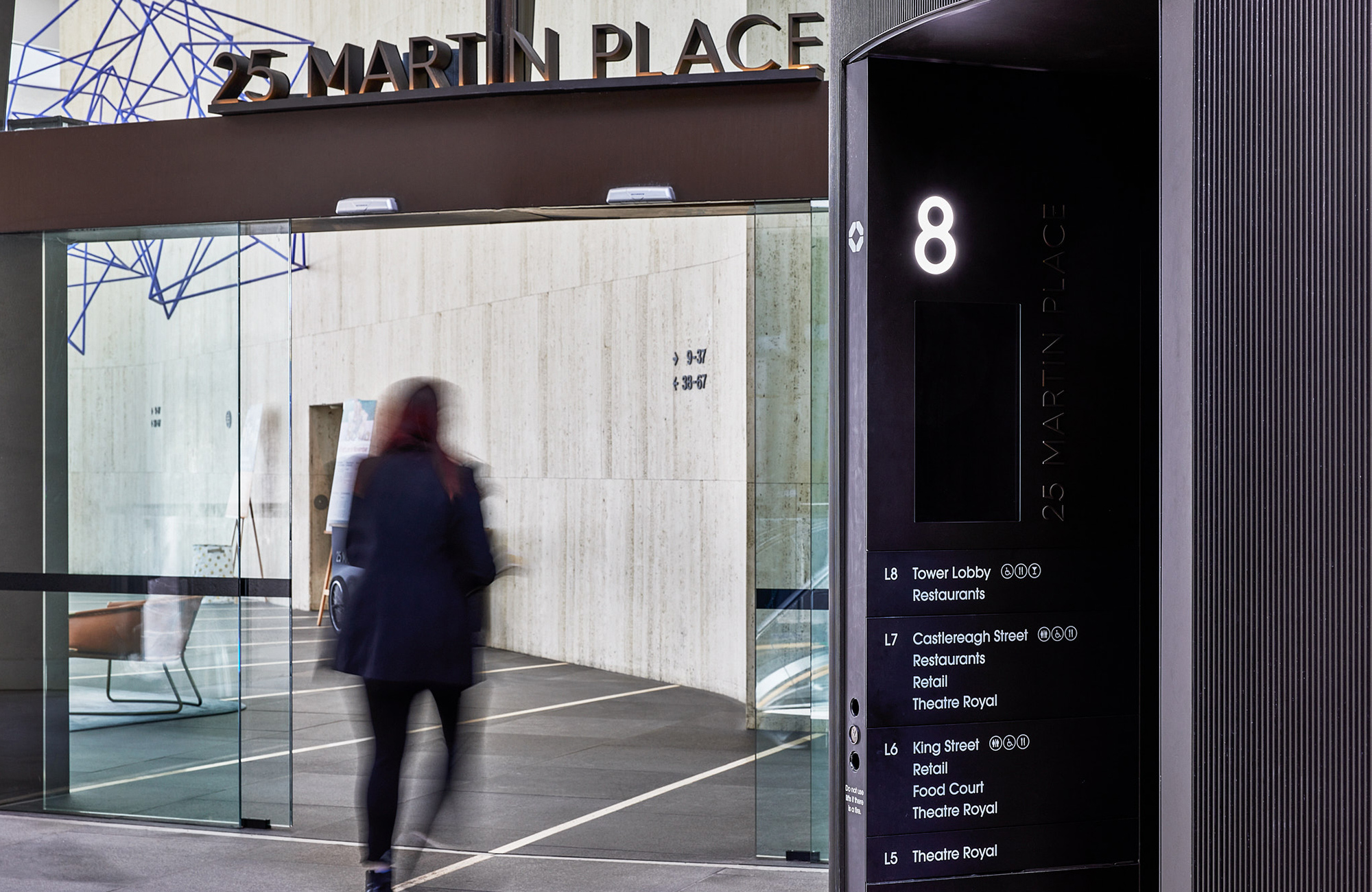
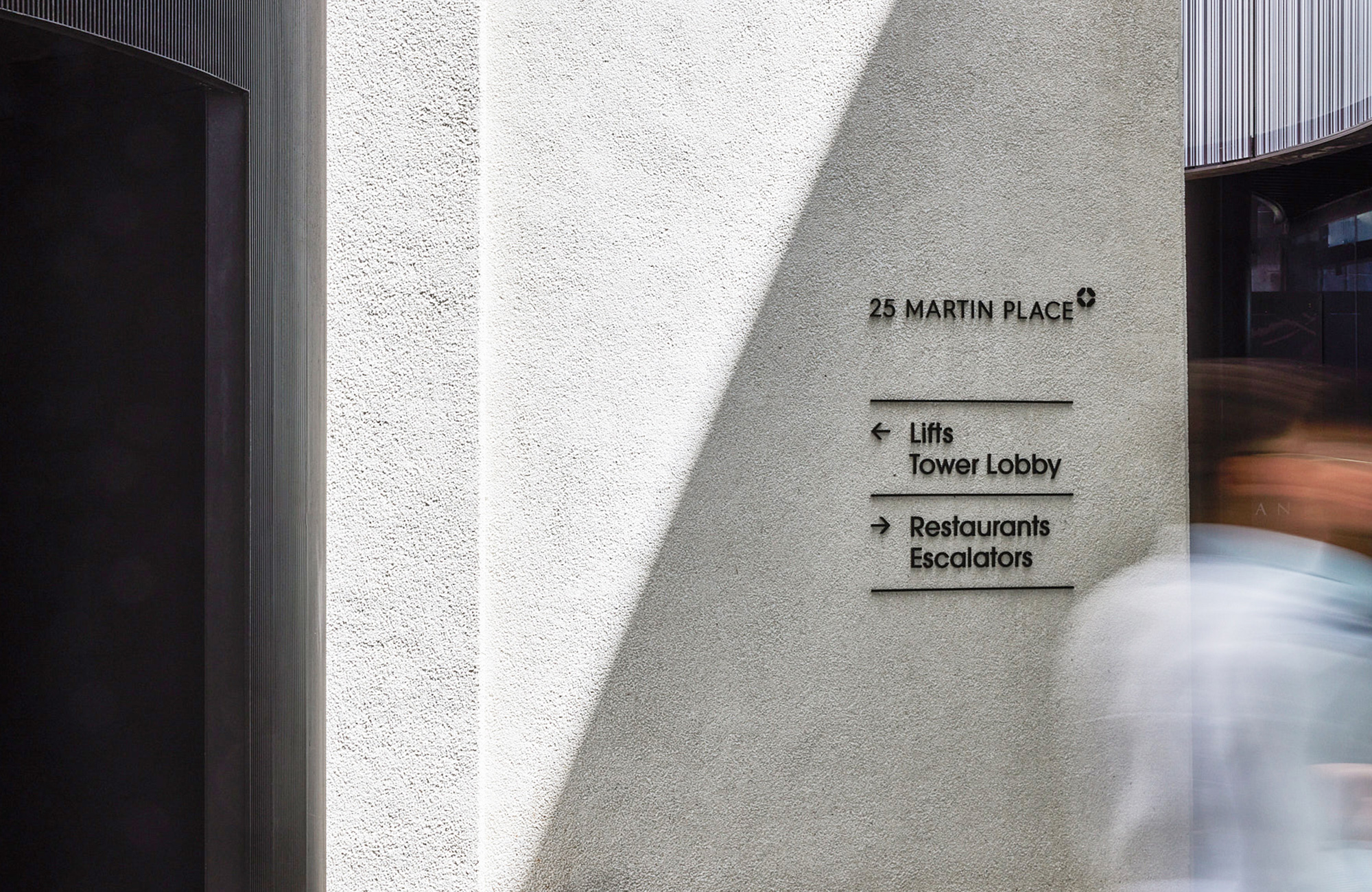
Our new signage and wayfinding system strips back decades of additions and makes navigation easy. Together with the architectural team, we worked to ensure new components were seamlessly integrated and aligned to the heritage, standard of quality and future vision for the site. When designing the signage, we put the iconic status and visual tension of the building first. The massive concrete structures in the building, which look lightweight and almost as if they’re floating, play into our visual concept. We used a font designed by Herb Lubalin and Tom Carnase in 1970 and drew from the architectural material palette. Embedded rotunda signs mounted within the ceilings of retail environments feature back-illuminated lettering to draw attention without fighting with the magnificent interiors.

Sign up to keep up to date with our latest projects, news and all things Frost*
By signing up you agree to be contacted
by email. You can always opt out
Be the first to know about upcoming
Frost*collective Talks & Podcasts
By signing up you agree to be contacted
by email. You can always opt out